
Body Language - On and Off Camera
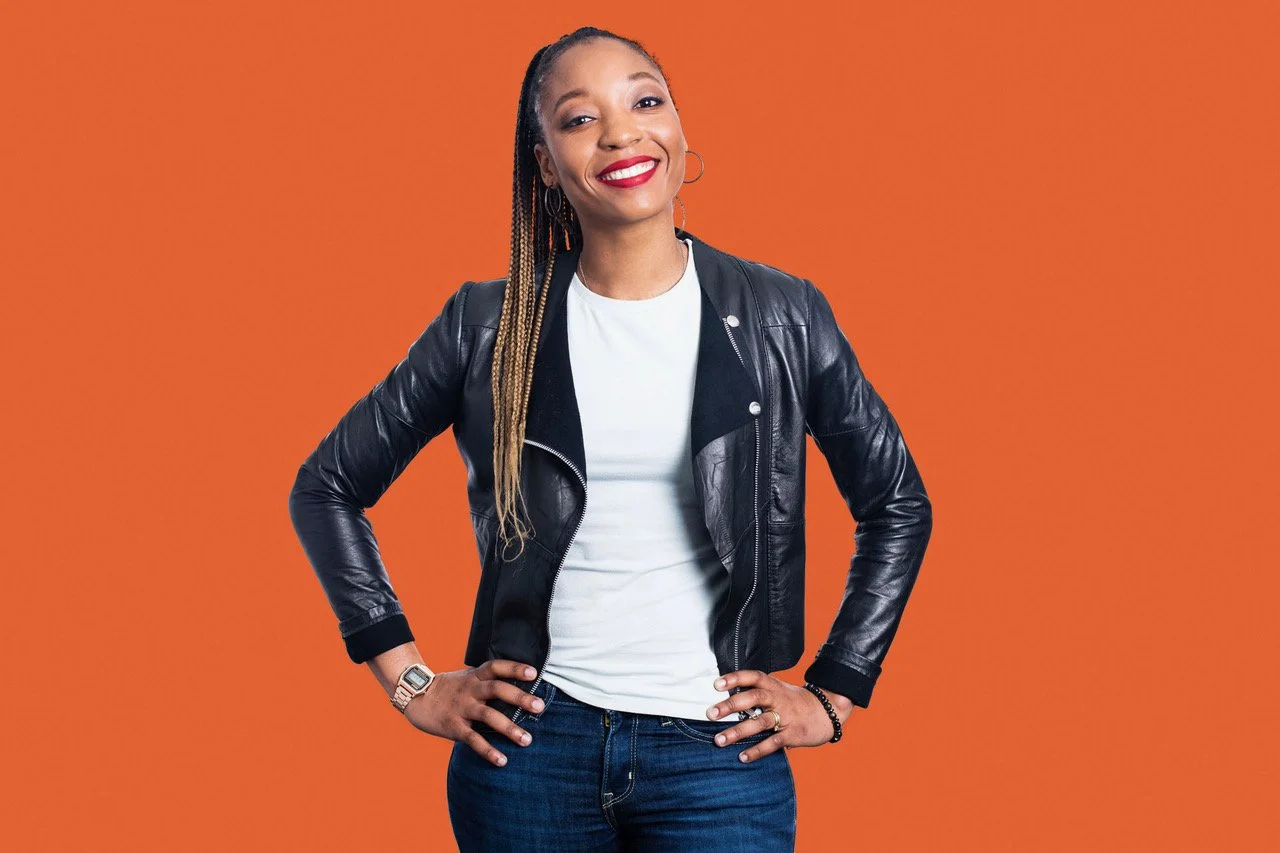
Body language plays an essential role in our day-to-day communication, our relationships, and the impact our words really have. We’ll look at body language in general and how we can use it intentionally to communicate the right message in your next portrait session.
Body language refers to the non-verbal signals we use to communicate. These cues make up a large part of how we understand one another. Some studies suggest as much as 80% of communication is non-verbal. As humans, we instinctively rely on what we see and feel before we believe what is being said.
This means you start making an impression the moment you walk through the door, long before you say a word. Understanding what you may be “saying” with your body, even while simply listening, can make or break an interaction.
The Role of Non-Verbal Communication
Body language helps us build trust through gestures like eye contact and nodding, reinforce what we are saying with posture and movement, and sometimes reveal feelings that words alone do not express. Our own body language can also give us clues about how we are feeling, helping us become more aware of our reactions and emotional state.
Body Position
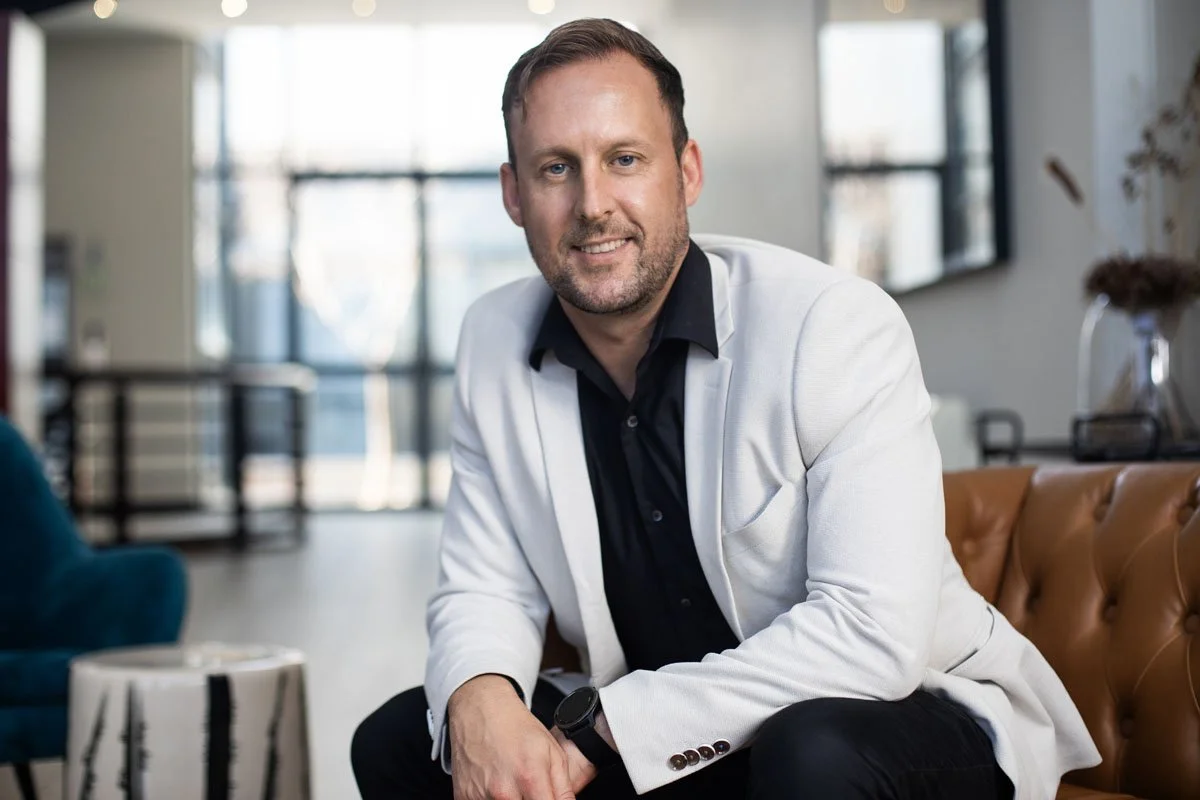
An open, upright posture immediately creates a sense of confidence and approachability. Research has shown that the way we hold our bodies influences not only how others perceive us, but also how we feel about ourselves.
During conversation, leaning slightly in signals interest and engagement, while leaning away may suggest discomfort or a desire to leave the interaction. Personal space still matters, so while a subtle lean shows attentiveness, leaning too far in can feel intrusive.
Arms
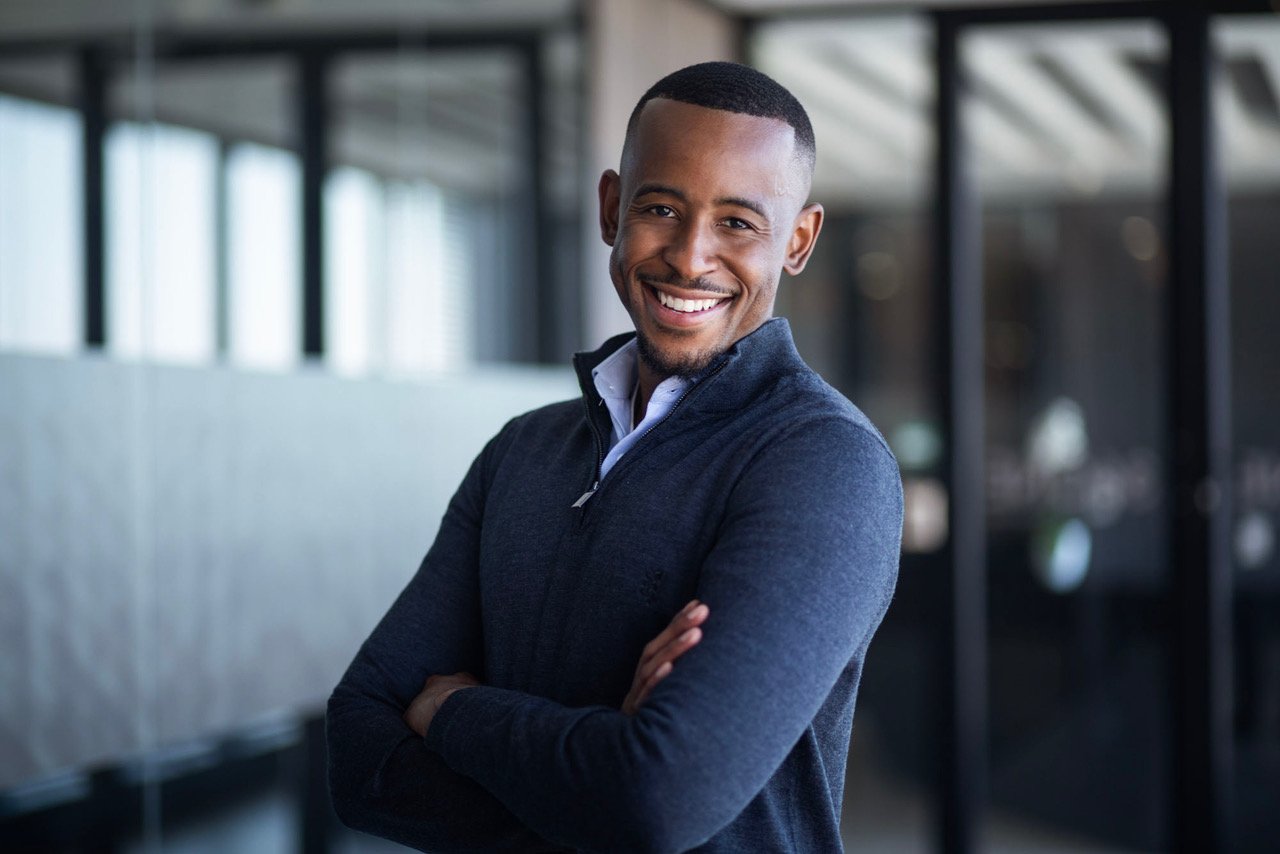
Crossing arms or legs is a natural protective gesture, physically guarding our vital organs. While it can feel comfortable, this closed posture may signal defensiveness or scepticism to others.
Hands
From an evolutionary perspective, hands have always been important signals. When hands are hidden people may feel uneasy, while open palms often communicate honesty and openness.
Mirroring
Have you ever noticed that when you connect with someone, you begin to mirror their movements? If they lean back, you lean back. If they nod, you nod. This is called mirroring, and it helps build rapport. It creates a sense of familiarity and trust, often without us even realising it.
Eye Contact
Eye contact signals confidence and engagement. Studies show that people with higher self-esteem tend to maintain eye contact more easily. However, there is a fine line between engaged and uncomfortable.
A helpful guideline is to maintain 50% eye contact while speaking and 70% while listening. This balance shows interest without feeling overwhelming.
Let’s Click
So how does this translate to portrait photography? In many ways, it’s exactly the same, but with intention.
If you want to appear open and approachable, an open posture, relaxed shoulders and a warm smile may work best. If you want to communicate authority and professionalism, a more composed posture, steady eye contact, or even crossed arms can support that message.
Sometimes I intentionally break the “rules.” I often turn clients slightly away from the camera because it is more flattering for most body types. I also encourage crossed arms when it helps someone feel comfortable. When a client feels safe, confidence shows in their posture and authenticity comes through in their expression.
Body language reveals who we are and how we feel, both in everyday life and in photography. Becoming aware of these non-verbal cues allows us to connect more easily and present ourselves with intention. In portraits, this awareness helps turn a simple photograph into a meaningful representation of who you are.